
Key Takeaways
- Why board handling is becoming a line design issue
- Practical guidance for PCB handling and line automation.
- Specifications below are taken from real Keli equipment.
Board infeed looks simple until it interrupts production. A bare board must be presented flat, in the right direction, and at the right point in the SMT line. When that task depends on manual loading, small delays become part of the shift. Operators leave the station, stacks are moved, magazines are changed, and the line waits. These losses are not always shown as downtime, but they affect output, labour planning, and flow.
As electronics manufacturing moves toward more product variants and tighter delivery windows, board handling equipment is getting more attention. Purchasers and engineers are looking at the start of the line with the same discipline used for placement, printing, and inspection. The question is no longer only whether a machine can move a PCB. It is whether the infeed method fits the board mix, the available floor space, and the way the line is operated.
Why board handling is becoming a line design issue
An SMT line is planned as a continuous process. Each machine has a defined transfer height, direction, and handling envelope. The infeed unit must match that process without creating a new bottleneck. In older layouts, a loader was often treated as a standalone accessory. In current line planning, it is part of the handling logic.
Several practical trends are driving this change. Product mixes are broader. Bare boards may arrive in stacks for one order and in magazines for another. Factory teams also want fewer manual touchpoints, especially at the front of the line where boards are still unprotected. At the same time, floor space is limited in many plants, including contract electronics factories and production areas serving multiple customers.
This does not mean every line needs the same automation. It means the infeed method should be selected against real operating conditions: board size, storage method, transfer direction, line height, and how often the feeding mode changes. For system integrators, these details affect layout, interfaces, and commissioning time.
Where the pressure shows on the factory floor
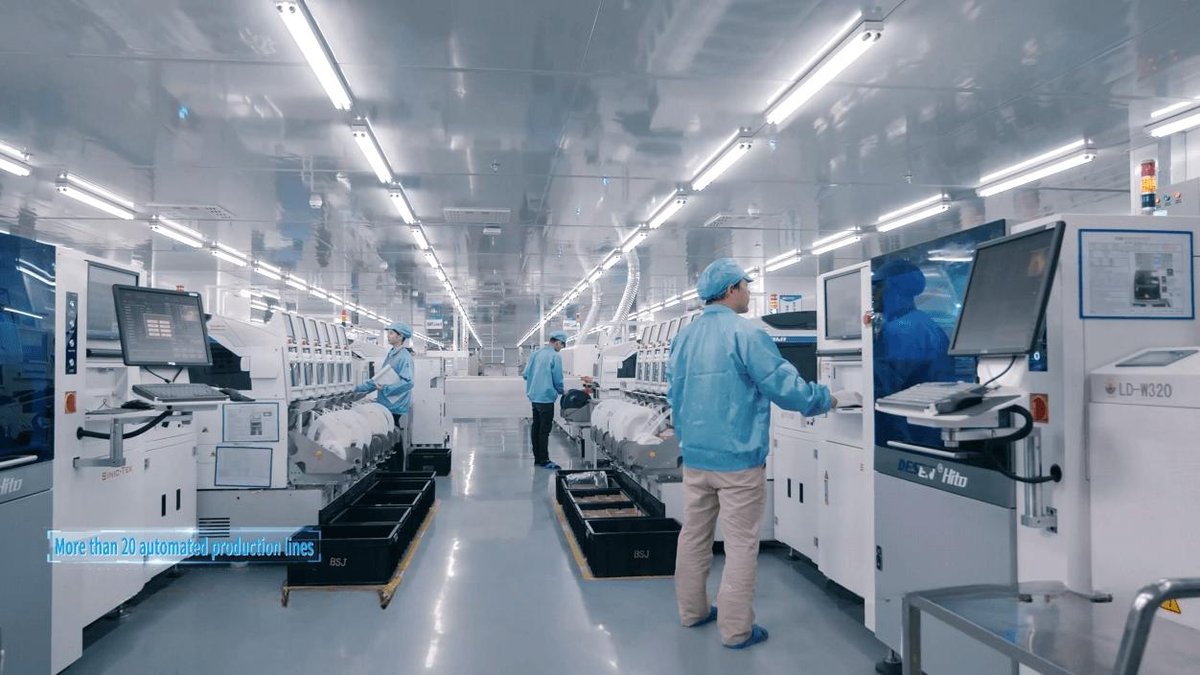
Manual or poorly matched board infeed creates several visible problems.
First, the operator becomes part of the cycle. If boards must be loaded one by one, or if stacks and magazines are changed without a stable storage buffer, the line depends on human timing. That makes output harder to hold during breaks, shift changes, and staffing gaps.
Second, mixed feeding methods take up space. A line that handles both bare board stacks and magazine-fed boards may need separate units. In a narrow aisle or a compact cell, that extra footprint can restrict maintenance access and material flow.
Third, changeovers create small stops. When a production order changes, the infeed arrangement may need to be adjusted. If the equipment does not support the required transfer direction or control settings, the setup takes longer and the line restarts with more checks.
Fourth, inconsistent board presentation affects downstream stability. PCB handling is not only about movement. It is about placing the board onto the conveyor in a repeatable way, at the correct height, and in the selected direction. A weak link at the start of the line can disturb the rhythm of the whole SMT process.
These are operational costs. They appear as waiting time, extra handling, extra training, and less predictable line balance.
Where automation fits
Automation adds the most value where it removes a repeated handling decision. A board loader should hold a defined stock of boards, present them to the conveyor, and repeat the same motion without constant adjustment. A magazine feeder should control the lift position and support the selected pitch. A combined unit should allow the line to use either infeed method without adding another machine.
Control also matters. A PLC with a color touchscreen gives the operator a clear interface for setup and daily operation. Bidirectional transfer helps the unit fit line layouts that run right-to-left or left-to-right. A defined rail transfer height supports integration with the rest of the line. These are not abstract features. They reduce the number of layout compromises during installation.
For PCB assembly and electronics manufacturing, the useful measure is not a headline speed figure. It is whether the board handling equipment supports stable infeed across the planned board range and fits the physical line. Conveyor belt type, transfer speed, lift pitch, storage capacity, and machine dimensions all belong in the same evaluation.
A relevant example: KL-330VL Vacuum Loader-Feeder
The KL-330VL Vacuum Loader-Feeder is one example of equipment designed for lines that need two infeed options in one unit. It combines vacuum suction loading and magazine feeding in one machine. It places bare boards on the conveyor by suction and also feeds from a magazine. This gives SMT lines two infeed options in one machine.
The unit is specified for a maximum PCB size of 450 x 330 mm. It supports bare board infeed for 450 x 330 mm boards and is used in PCB assembly and electronics manufacturing. It is also relevant for lines switching between suction and magazine feeding, and for space-limited SMT production lines.
Its machine dimensions are 2000 x 920 x 1200 ±30 mm. The rail transfer height is 900 ±30 mm. Transfer direction can be right-to-left or left-to-right, which supports different SMT line layouts. The conveyor uses a 3 mm flat belt and runs at 9 m/min. A ball screw lift controls magazine position, using a 90 W brake motor. Magazine transfer uses a 15 W fixed-speed motor.
The magazine size is 460 x 400 x 565 mm, with a magazine capacity of 50 PCBs. The vacuum loader board storage is 100 PCBs. Lift pitch options are 10 / 20 / 30 / 40 mm. Control is by PLC and color touchscreen. The unit uses dedicated aluminum profile rails and special plastic chains. Power supply is 220 V, 50 Hz, and air supply is 0.4-0.6 MPa.
For an equipment engineer, these specifications define the integration envelope. For a purchaser, they define what is being bought: a single board handling unit with automatic board loading and vacuum suction in one machine, plus magazine feeding. For a system integrator, the bidirectional transfer and defined transfer height are practical inputs for line layout.
What buyers should check before specifying a loader-feeder
A specification sheet should be read as a line compatibility document. Start with the board. Confirm the maximum PCB size and the way boards arrive at the infeed area. If both stacks and magazines are used, check whether one unit can support both methods without extra handling equipment.
Then check storage. The KL-330VL provides vacuum loader board storage of 100 PCBs and magazine capacity of 50 PCBs. These figures help operators plan replenishment intervals and material staging. They also help determine whether the unit fits the buffer strategy of the line.
Next, check the mechanical interface. Machine dimensions, rail transfer height, transfer direction, conveyor belt, and conveyor speed all affect installation. The 3 mm flat belt at 9 m/min and the 900 ±30 mm transfer height should be reviewed against the connected equipment and the available floor area.
Check utilities early. The KL-330VL requires 220 V, 50 Hz power and 0.4-0.6 MPa air supply. Confirm that the site can provide these before final layout approval. Control should also be reviewed with the operators who will use it. PLC control with a color touchscreen keeps setup and daily operation in one interface.
Finally, review the lift settings against the magazines in use. The KL-330VL has lift pitch options of 10 / 20 / 30 / 40 mm. That selection should match the magazine loading plan and the board mix running through the SMT line.
A practical direction for SMT line planning
Board handling automation is not a trend driven by novelty. It is a response to line pressure: more variants, less space, fewer manual touchpoints, and a need for repeatable PCB handling. The front of the line sets the pace. If infeed depends on constant attention, the rest of the process inherits that instability.
The right approach is to specify board handling equipment from the process outward. Define the board range, feeding methods, transfer direction, storage needs, utilities, and available space. Then compare the loader-feeder against those conditions. A combined unit can be a sound choice where a line switches between suction and magazine feeding, or where floor space does not allow separate machines.
For factories in Europe, the US, and Southeast Asia, the same rule applies: stable infeed is part of stable production. The details are not glamorous, but they decide how smoothly an SMT line starts, runs, and changes over.
Contact Keli with your board size, infeed method, line direction, and layout requirements to discuss the KL-330VL Vacuum Loader-Feeder for your SMT line.