Solid-state batteries promise higher energy density and better safety, but moving from a lab sample to repeatable production is hard. Each step — mixing, densification, inspection and metal treatment — needs equipment that holds its settings batch after batch. This article looks at what our machines actually bring to that workflow.
Key Takeaways
- Four machines cover the full workflow from material prep to metal treatment.
- Warm isostatic pressing supports densification with mid-temperature, low-energy operation.
- Non-destructive X-ray CT catches internal defects before cells move on.
- Adjustable process parameters help teams transfer recipes from lab to line.
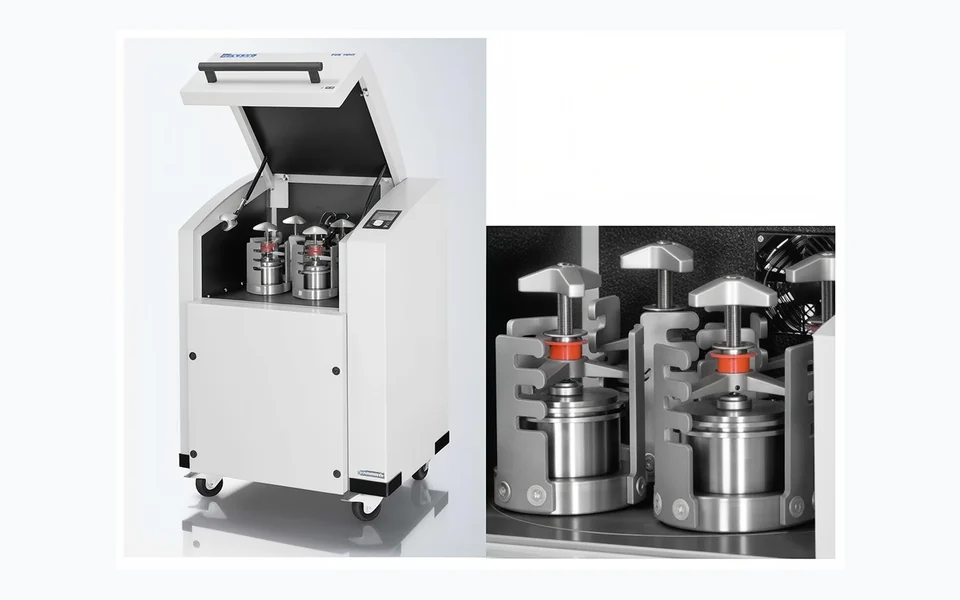
1. Material preparation with the Keli500 planetary mill
Slurry uniformity drives coating quality. The Keli500 is a floor-standing production-grade mill with four grinding stations and 500 mL jars, built for wet electrode material and electrolyte mixing, mechanochemical ultra-fine grinding and routine homogenization.
- Grinding stations: 4 (500 mL jars)
- Max input size: < 10 mm
- Output fineness: < 0.1 μm (colloidal)
- Sun wheel speed: 30–400 min⁻¹; diameter 300 mm
- Grinding media: zirconia (ZrO₂)
- Drive power: 1.5 kW
2. Densification with the Keli400 warm isostatic press
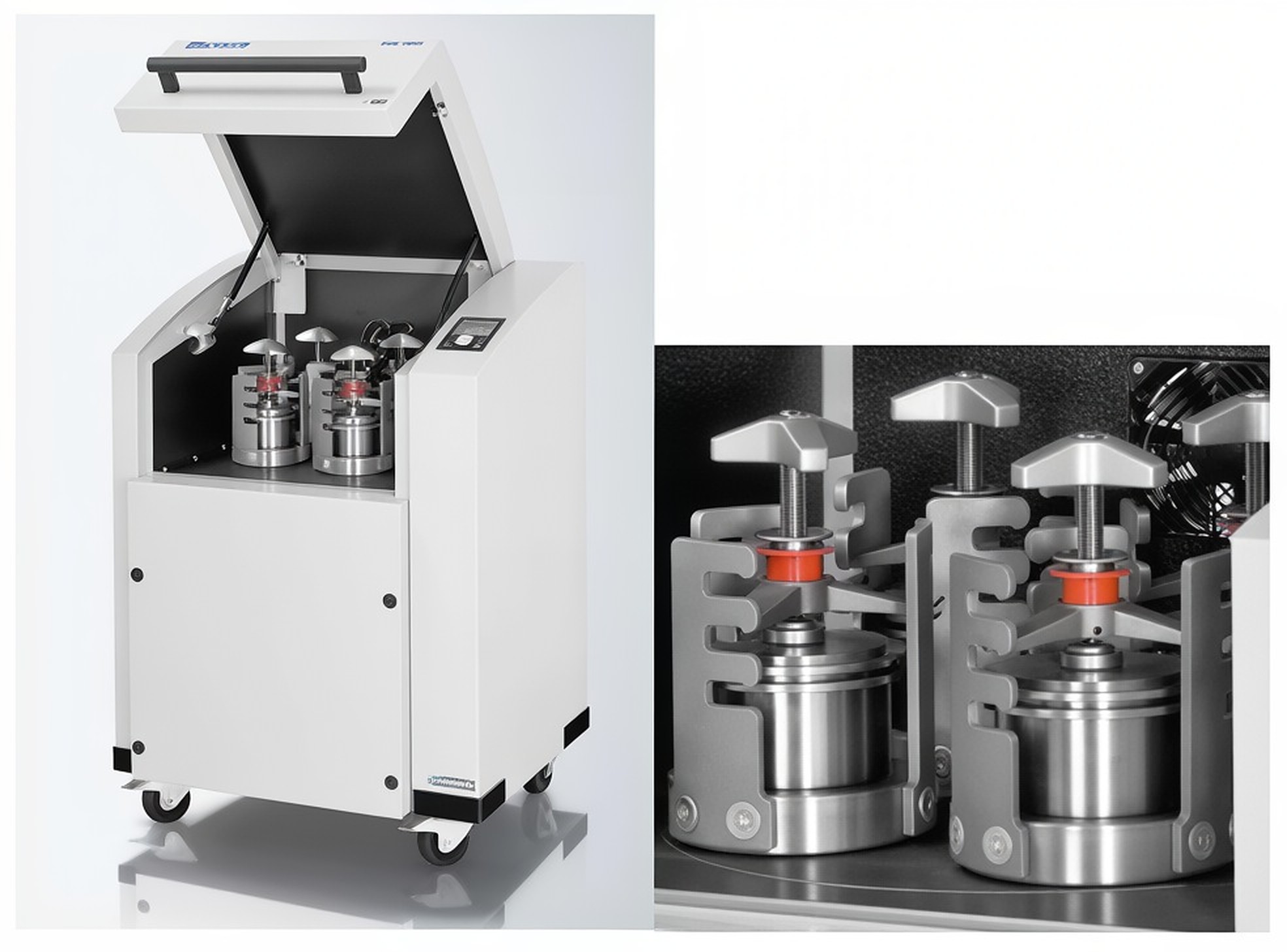
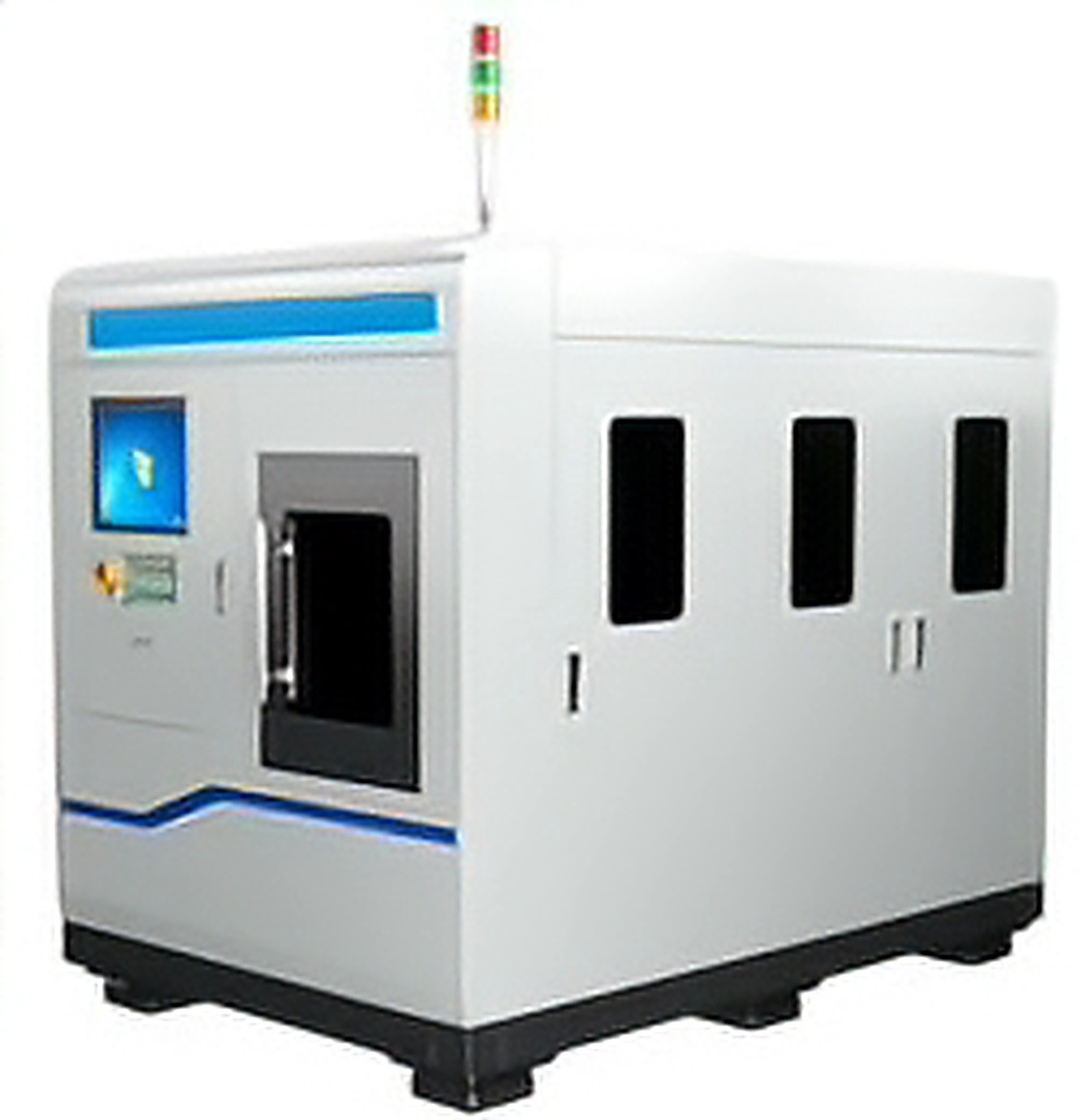
Density determines how well a solid electrolyte performs. The Keli400 is a horizontal warm isostatic press (WIP) working on Pascal's law: pressure is applied evenly from all directions. It is designed for solid-state battery densification with mid-temperature, low-energy operation and high yield.
3. Inspection with the Keli300 micro-focus X-ray CT
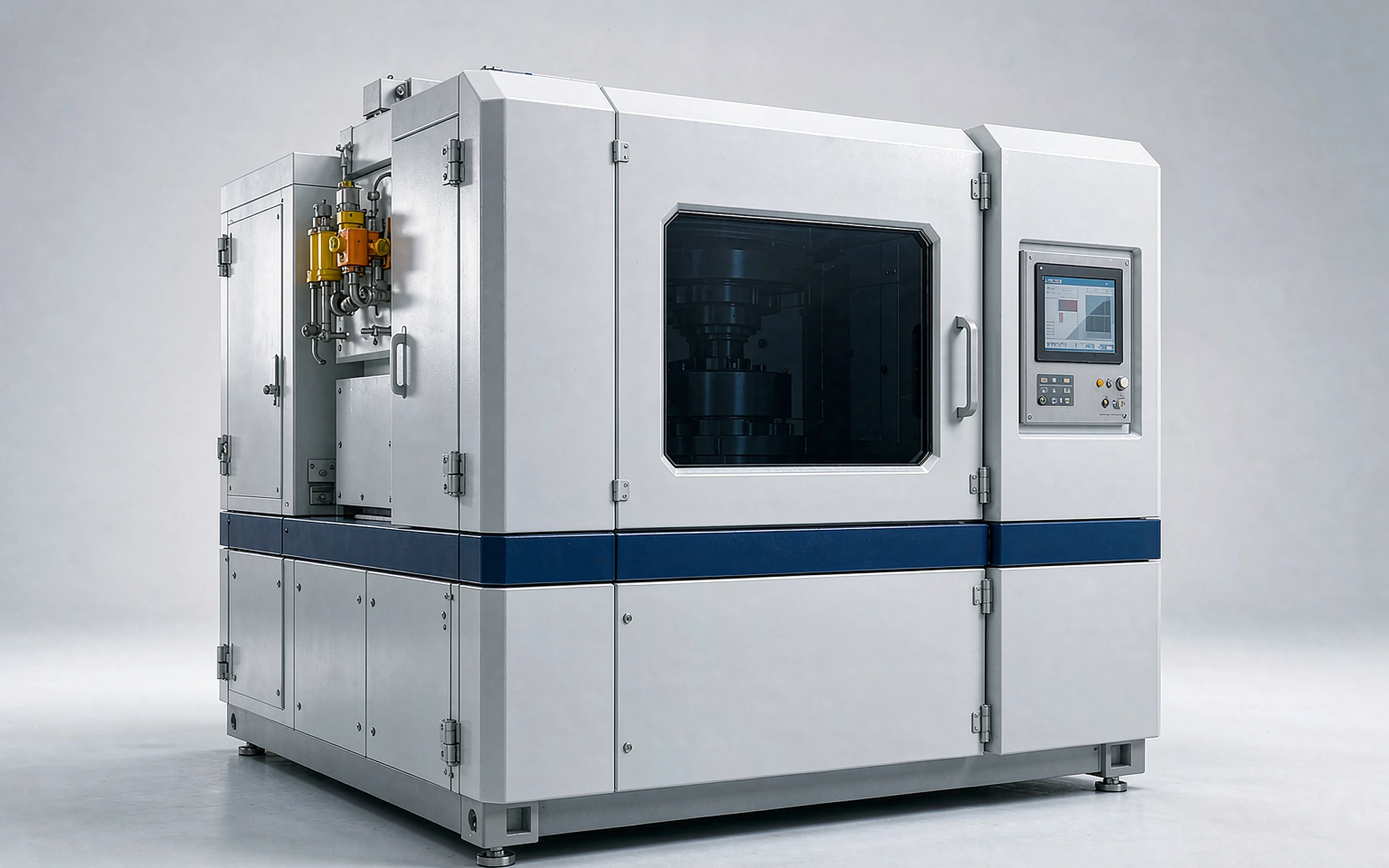
Internal defects are invisible from the outside. The Keli300 pairs a micro-focus X-ray source with a high-resolution large-area flat panel detector. It detects voids, cracks and delamination non-destructively after WIP, and switches quickly between radioscopy and CT modes. The software suite covers VGS®, NRECON, CTVOX, CTAN and CTVOL.
4. Metal treatment with the Keli12 laser cladding machine
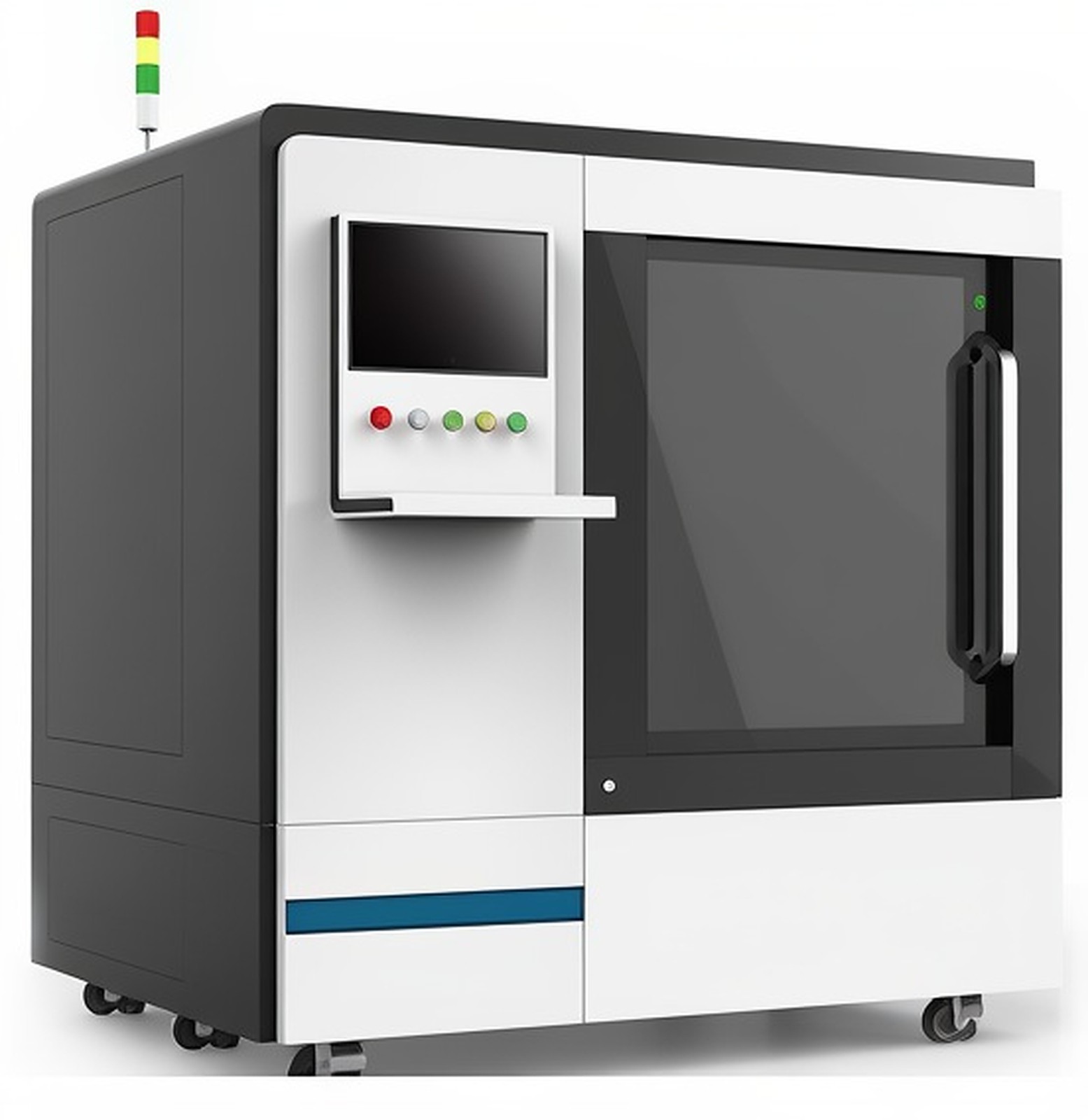
Lithium metal components can be repaired instead of scrapped. The Keli12 uses an Nd³⁺:YAG crystal emitting at 1064 μm for surface repair and welding. Its parameters are built for continuous production.
- Laser wavelength: 1064 μm; max power ≥ 800 W
- Continuous operation: ≥ 16 hours
- Pulse energy: 0–120 J adjustable
- Pulse width: 0.1–20 ms (0.1 ms step)
- Dimensions: 1800 × 2200 × 2000 mm
5. The value is in the workflow
No single machine makes a production line. The value comes from connecting material prep, densification, QC inspection and metal treatment into one controlled sequence, with each step passing a measurable result to the next. That is what turns a promising lab recipe into output you can plan around.
Summary
Keli Automation supplies the four core machines that cover a solid-state battery workflow — mixing, densification, inspection and metal surface treatment. We adapt each configuration to your materials and target format. Share your process requirements and our team will confirm the fit. Talk to our engineers →
Related reading
How to Find and Fix SMT Line Bottlenecks
Read more →
Why Factories Add a KL-330NU OK/NG Unloader
Read more →